
6 reasons to emigrate to Crete
The short answer: people emigrate to Crete for the Mediterranean lifestyle: the leisurely pace, beautiful scenery (beaches, mountains), rich culture, delicious and healthy cuisine, relatively low cost of living, and renowned hospitality.
Crete has a Mediterranean climate, meaning mild winters and dry, warm summers. Much better than the unpredictable Dutch climate, if you ask us. You'll never be bored if you move to Crete.
The island offers a mix of relaxation, adventure (hiking), and a simple yet fulfilling life, with good infrastructure and expat communities in cities like Chania and Rethymno.
The quiet pace
Crete has a relaxed lifestyle. Life here is much calmer than, for example, in the Netherlands, where everything MUST be done and deadlines are numerous. What isn't finished today will be finished tomorrow. The Greeks call this "siga siga," which literally translates as “slowly, slowly."
The Greeks spend much more time outdoors. Not only because the weather is much better here, but also because people here have a different outlook on life. They don't let things get to them, take more time to socialize with family and friends, and eat healthier.
Beautiful nature
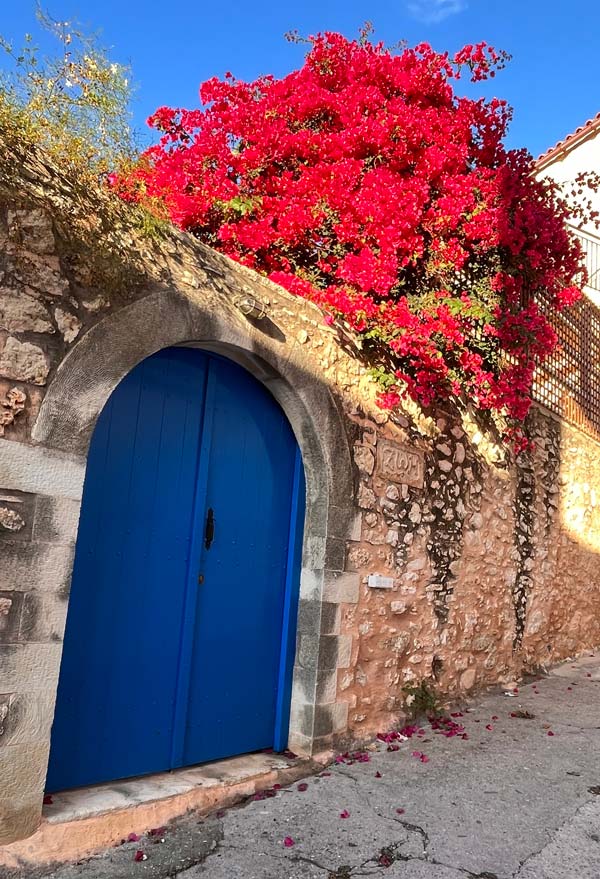
Crete is the largest Greek island, covering over 8,000 square kilometers. The island offers stunning natural beauty, spectacular mountains, picturesque mountain villages, scenic hiking and driving routes, and not to mention the many breathtaking sandy beaches with azure seas.
Everywhere you look, you see olive and fruit trees, and you'll have to resist the temptation to pick an overhanging orange or lemon every now and then. The abundance of oleanders and bougainvilleas will dazzle you with their beauty.

Rich culture
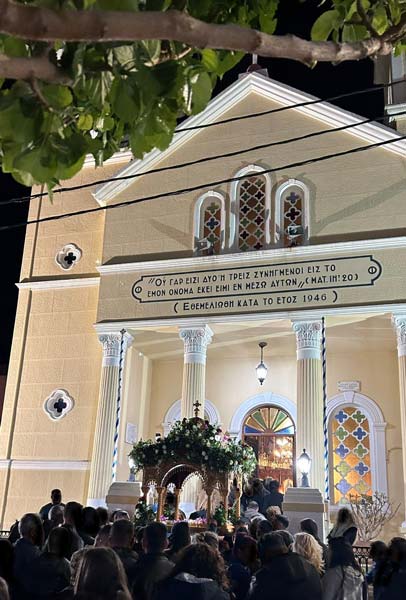
Greece, and therefore Crete as well, has a rich culture. The Greeks are true family people, and traditions are deeply ingrained in their DNA. Music and dance play a major role. Especially around Christmas and especially at Easter, the Greeks truly go all out. Greece also has many national and religious holidays, such as Independence Day on March 25th (commemorating the Greek uprising against the Ottomans) and Ochi Day on October 28th (National Day, "No" Day to Mussolini).
Crete's cultural heritage includes Minoan palaces (such as Knossos and Phaistos), Venetian fortresses (e.g., Koules Fort in Heraklion, Fortezza in Rethymno), Orthodox monasteries (e.g., Arkadi Monastery), archaeological sites (such as Gortys, Aptera, Malia, Zakros), and museums (such as the Archaeological Museum of Chania and Heraklion), which together showcase the rich history of the Minoan, Roman, Byzantine, and Venetian periods.
Greek cuisine

Greek cuisine is highly regarded worldwide, with iconic dishes like Tzatziki, Feta, Moussaka, Souvlaki, Greek salad, Pita Gyros, Spanakopita, Keftedes, Dolmades, Stifado, and lamb. The Cretan diet is known as one of the healthiest in the world, featuring fresh local ingredients like olive oil, lemon, and herbs.
The cuisine offers considerable regional variation, with a strong focus on meze (small snacks) and grilled dishes, contributing to its popularity. Want to experience authentic Cretan cuisine? Then choose a local taverna outside the tourist center and see where the locals eat.
Cost of living
In our blog post "What does living in Crete cost in 2026?" we provide a realistic, up-to-date, and practical overview of the cost of living in Crete in 2026. No sales pitches, just concrete figures. This way, you know exactly what to expect.
Keep in mind that how you live and work in Crete largely determines your expenses. This depends on your family composition, your standard of living, and how much risk you're willing to take when it comes to insurance.

Greek hospitality
Greek hospitality, or "philoxenia" (literally, "friend to a stranger"), is a deeply rooted tradition of love for strangers dating back to antiquity and considered a sacred duty, with guests treated with unparalleled warmth, respect, and generosity.
You might encounter this hospitality, for example, when dining out at a taverna or restaurant. It might include a friendly chat, a complimentary bottle of water, a homemade dessert, and/or raki on the house. Guests are sometimes invited to family gatherings or village festivals, where the host considers the bill an honor.
Our conclusion
Whether you're looking for natural beauty, tranquility, ancient ruins, or a vibrant city life, Crete is one of the best choices for year-round living.
Want to learn more about our emigration to Crete and hear our personal stories and tips? Then visit www.livingoncrete.com or check out our other blogs.