
What does living on Crete cost in 2026?
The real cost of living at a glanceDo you, like us, dream of a life under the Greek sun, with sea views, fresh food and a more leisurely pace? Then Crete might be a logical choice for you. But before you take the plunge, there's one thing you'll want to be sure of: what does living in Crete really cost?
In this blog post, we'll give you a realistic, up-to-date, and practical overview of the cost of living in Crete in 2026. No sales pitches, just concrete figures, monthly budgets and regional differences. This way, you'll know exactly what to expect.
A brief answer to the question: what does it cost to live on Crete? This depends on the location, your family composition, your standard of living, the level of risk you are willing to take regarding insurance, and so on.
Why Crete is attractive to emigrants
Crete is the largest island in Greece and offers something few other places can match:
- a relatively low cost of living
- good healthcare
- a mild climate year-round
- modern amenities and authentic Greek life
For many, it's also a place where you get more quality of life for your money.
(rent & buy)
Cost of living in Crete
We're no experts on the Greek housing market, but it's safe to say that living in the heart of Chania, Rethymnon, or Heraklion, especially in the old town, is more expensive than living outside the city. Furthermore, for a comparable price in the center of a large city, you'll often have to settle for fewer square meters. This is essentially no different in Greece compared to the Netherlands or elsewhere in the world.
Rental prices in Crete in 2026
Rent varies greatly depending on location, season and property type. An average monthly rent for a long-term (more than one year) rental contract for a one-bedroom apartment in the city center ranges from €450 to €650 per month. An apartment outside the city center is slightly more affordable, costing around €350 to €500 per month. A detached house, on the other hand, is usually more expensive, ranging from €600 to over €1,000 per month. Popular regions like Chania and Rethymno are more expensive than villages inland or southern Crete.
👉 Tip: Avoid “holiday rentals disguised as long-term” as this drives up prices.
When we moved to Crete in 2023, we rented for a year for €700 per month. We had a 100m² house with two bedrooms, a driveway and a decent-sized backyard with storage. We were at a 10-minute walk from Chania town center. The location was great, but the house was old and had several defects. You can find more information about renting in Crete here on our website.
Buying a house in Crete
It's difficult to give an exact price estimate for a house, as prices are determined by numerous factors. To give you an idea of the prices: an apartment starts at €120,000, a house with land starts at €180,000, and a new-build house with a sea view starts at €250,000. You often have to pay separately for the land you want to build on. Purchase costs (notary, taxes, lawyer) are around 8–10% of the purchase price.
The price of a house is largely determined by its condition and location. If you're very handy and willing to take on the challenge, you could consider a renovation project. While there are plenty of such projects on Crete, they're not for everyone. Think before you leap.
We recommend seeking expert advice from a real estate agent and always hiring a lawyer. This way, you can be sure you're not buying a pig in a poke and can enjoy your new home in Crete for years to come. We've had excellent experiences with a local real estate agent and a local contractor who built our house. You can contact them directly via the contact button on our website. We highly recommend them for their professionalism, extensive experience and market knowledge, and their friendliness and support throughout the entire process.
Cost of daily groceries and eating out in Crete

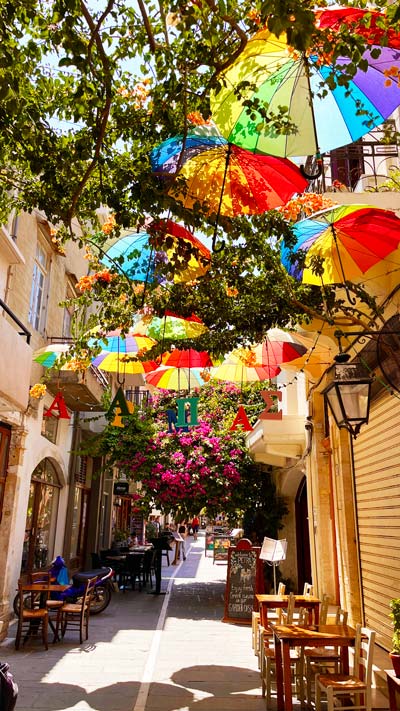
One of the pleasant surprises we found was the daily grocery shopping. Fruits and vegetables from the market are fresh, local and affordable. Seasonal products are noticeably cheaper. Imported products, on the other hand, are very expensive. Think of coffee beans, for example, which easily cost between €25 and €35 per kilo! Vegetables, fruit, olive oil, bread and cheese, on the other hand, are considerably cheaper than in the Netherlands. Those who adapt to what the island has to offer can save a lot here.
Groceries
On average, a two-person household spends between €300 and €400 on groceries at the supermarket each month. Going to the local market for fruit and vegetables usually works out much cheaper.
Eating Out
Eating out on Crete doesn't have to be a luxury. In local tavernas, you can often enjoy a full meal for a relatively modest price, especially if you venture just outside the tourist areas. In some villages, you might be pleasantly surprised by paying just €2 for a local beer and €1 for a house wine. We even got a small bowl of olives and bread with that.
Eating out remains one of Crete's biggest selling points. Lunch in a taverna costs between €8 and €12 per person. A full dinner (3 courses + wine) will cost between €15 and €25 per person, and a coffee will cost between €2 and €3.
Internet and telephone costs on Crete
Internet and mobile phone services are generally well-organized and cost-wise comparable to those in the Netherlands. Internet connection speeds in Crete are much lower than we were used to in the Netherlands. There, we had a 500Mbps contract, and in our rental house, initially, only 24Kbps was available. Cosmote later installed fiber optic internet with a speed of 100Mbps, which cost us €36 per month in 2022/2023.
In our house on Crete, we currently have a 100Mbps internet subscription via a satellite dish on the roof. This costs us €54.95 per month. A hefty price, but in some areas of Crete, you have to make do with the limited options available.
A mobile phone subscription costs between €15 and €25 per month, depending on your needs, of course.

Healthcare costs and insurance in Greece
Health insurance
Greece has a good public healthcare system, but many expatriates opt for private health insurance. If you are employed in Greece or start your own business in Greece, you are eligible for AMKA. This is the public healthcare system in Greece, which even Greeks admit is not very substantial. The public healthcare contribution for employment is income-based. Greeks often opt for supplementary private health insurance.
We were not eligible for AMKA and have taken out private health insurance. For two people, we pay approximately €160 per month for this, which is almost half the cost in the Netherlands. A general practitioner consultation costs between €20 and €40, and our dentist charges €35 per person for a checkup and cleaning.
Good preparation is essential here. We received a tremendous amount of help and information from our insurance agent, Carmen, for this (and for the other insurance policies as well). She guided us through the potential obstacles and provided us with the right insurance policies for us and our situation. If you could also use her help, please also take a look at this page.
Other insurance
Other insurance options include home insurance, contents insurance, liability insurance, legal expenses insurance and car insurance. Whether you need these insurances depends on your specific situation and whether you're willing to accept certain risks, such as damage. Therefore, it's difficult to specify the costs here. We pay around €650 annually for our 2023 car, and around €650 for our house and contents.
👉 Important: Care structures and insurance policies vary greatly depending on your individual situation.
Car, fuel and public transport
Transportcosts on Crete
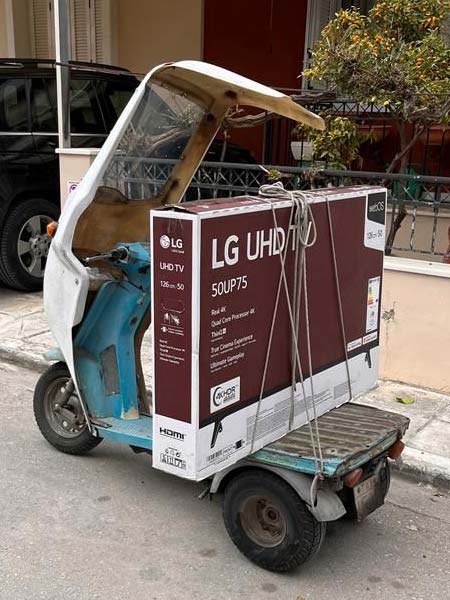
Although a car is practically essential in Crete due to all the beautiful places, public transport (bus, taxi) is well-organized and very affordable. Distances are longer than they seem, and many places are only easily accessible by private transport or taxi. A car isn't essential in the city, but it is practical outside urban areas.
Average prices in Crete are as follows:
- Fuel: gasoline approximately €1.70 per liter (January 2026)
- Car insurance: €300–€600 per year, depending on year and brand
- Road tax: depends on year of manufacture, engine size, and CO2 emissions
- Local bus ticket: €1.50–€2.50
- Taxi: €5–€10 for a short trip; for long distances, the price can be quite high.
Costs of water and electricity
Water and electricity costs depend on your living space and personal lifestyle. Besides variable costs for actual consumption and taxes, you also pay fixed municipal charges, grid operator fees, and sewerage costs through these invoices.
Electricity
Air conditioners and electric boilers consume a lot of electricity, especially if they're older. This can significantly increase your bill in both summer and winter. Consciously using electricity is important here. For an average home with average consumption, you'll pay between €80 and €150 per month for electricity.
Water
Water is generally inexpensive, but scarcity plays a significant role in some areas. Therefore, conserving water is crucial. Depending on your home's situation and average consumption, the cost is between €10 and €20 per month.
Is living in Crete cheaper than in the Netherlands?
Short answer: yes, for most people. Housing, food, healthcare and dining out are especially cheaper. Luxury imports, on the other hand, can be more expensive. The biggest benefit for us is more rest, sunshine and time, without your monthly expenses skyrocketing.
Ready to take a serious look at emigrating to Crete?
Emigrating, however, is more than just numbers. It's about the right region, housing, permits, healthcare, and realistic expectations.
👉 Visit www.livingoncrete.com for:
- our personal experiences and tips
- a practical checklist for emigrating
- information about renting, buying, or building your own property in Crete
- contact buttons to connect directly with our local experts
This way, you can avoid costly mistakes and start your new life in Crete well-prepared. Your dream life in Crete starts with the right information.