
10 things you need to know before you emigrate to Crete
For many people, the idea of emigrating to Crete begins with a holiday. Perhaps a first trip where you are struck by the landscape, the hospitality, and the pace of life. More visits often follow, and slowly the thought emerges: would it be possible to actually live here?
We recognize that feeling. Crete has a way of getting under your skin. The sun, the sea, the mountains, and the relaxed rhythm of daily life ensure that many people feel at home here sooner than they had expected.
Yet you soon discover that emigrating to Crete is more than a romantic dream. It is a change of lifestyle, culture, and sometimes expectations as well. Through our own experience and conversations with other emigrants, we have gathered a number of insights that many people only discover once they are already living on the island.
The short answer: life on Crete moves at a different pace, the island is much larger than many people realize, the seasons feel different than they do during holidays, bureaucracy is part of life, the cost of living is surprising, nature has a major influence, villages and towns are very different, hospitality is part of the culture, patience is a virtue, and emigrating means a change of lifestyle.
1. Life on Crete has a different pace
Perhaps the first thing you notice when living in Crete is the pace of life. Things often move less quickly and are less tightly organized here than in Northern Europe. Appointments can shift, processes sometimes take longer, and not everything runs according to a clear schedule. In the beginning, this can take some getting used to, especially if you are accustomed to structure and efficiency. At the same time, many people discover that precisely this slower pace is one of the reasons why life in Crete feels so pleasant. It provides space to live more in the moment.

2. The island is bigger than many people think
Many people only realize over time how big Crete really is. The island is more than 250 kilometers long and consists of several mountain ranges that divide the landscape. This means that the region where you live has a significant influence on your daily life. The atmosphere in Chania can be completely different from that in Heraklion or East Crete. Anyone considering emigrating to Crete would therefore do well to explore different parts of the island before making a final decision.
3. The seasons feel different than during holidays
Most people get to know Crete in the summer. But life on the island changes dramatically with the seasons. In winter, it becomes quieter, especially in tourist areas. Some restaurants close temporarily, and villages sometimes feel more peaceful.
At the same time, this period also has a special charm. The island becomes greener, temperatures are milder, and daily life settles into a more relaxed rhythm. For many emigrants, it is precisely this winter period when they get to know the real Crete.
4. Bureaucracy is part of life in Greece

Administrative processes in Greece can operate differently than you are used to. Things that are arranged digitally or quickly in other countries may take more time here.
Documents, stamps, and visits to various offices are sometimes part of the process. This can be frustrating at first, but with patience and the right people around you, it is usually resolved step by step.
Many emigrants discover that flexibility and a bit of humor are sometimes the best strategy here.
5. The cost of living can be surprising
A frequently asked question is: how much does it cost to live in Crete? The answer depends heavily on your lifestyle and location.
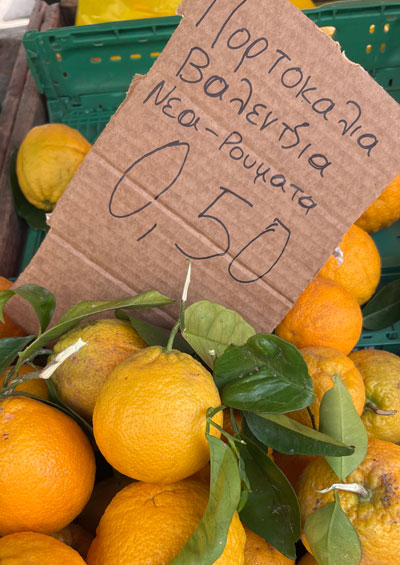
Groceries, local products, and eating out can be relatively affordable. At the same time, some other costs, such as energy, building materials, or imported products, may turn out higher than expected.
For many people, expenses also shift. You notice that some things become less important, while other aspects of life receive more attention.
6. Nature plays a greater role in daily life
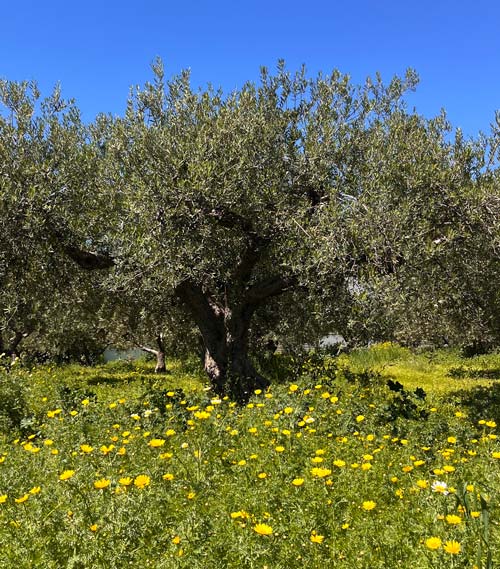
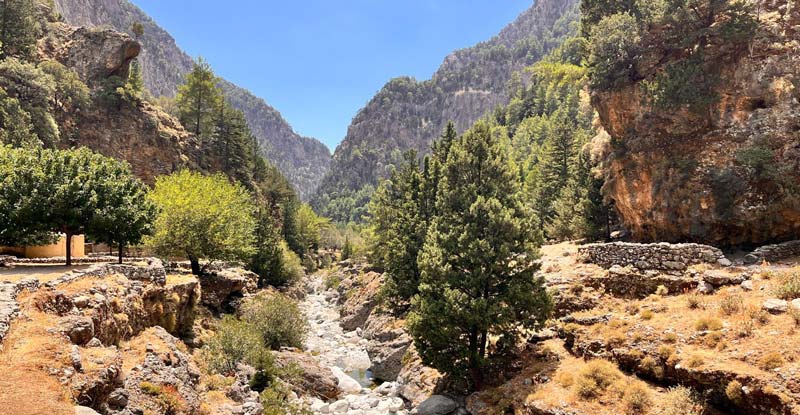
Crete is an island with impressive nature. Mountains, gorges, beaches, and olive groves make up a large part of the landscape. Many people who live here notice that they naturally spend more time outdoors. Hiking, swimming, or simply enjoying a view becomes a natural part of daily life. Nature also determines the rhythm of the seasons and has a strong influence on the character of the island.
7. Villages and cities feel very different
Life in a village on Crete can be completely different from living in a city. Villages often have a strong community where people know each other and daily life revolves around a square or café. Cities like Chania or Heraklion offer more amenities, shops, and international connections. Some emigrants feel at home here more quickly because the transition is less drastic. Choosing between a city and a village is therefore an important step in the emigration process.
8. Hospitality is an important part of the culture
One of the most beautiful aspects of life on Crete is the hospitality of the people. The local culture is known for its openness and friendliness. New residents are often warmly welcomed, especially when they show interest in the local culture and customs.
Many emigrants find that small gestures, such as a chat at a café or a greeting on the street, become an important part of daily life.
9. Patience and flexibility make life easier
Perhaps this is one of the most important lessons for people emigrating to Crete. Things do not always go as planned. But those who learn to be flexible and go with the flow of things here often discover that life can feel much calmer and less stressful. It sometimes requires adjustment, but many people find that this is actually a positive change.

10. Emigrating to Crete is primarily a change of lifestyle
Ultimately, emigrating to Crete is not just about a new home or a different environment. It is primarily about a different way of life.
More time outdoors, more attention to simple moments, and a different perspective on time and planning. For many people, that is precisely the reason they take this step. The island offers space to build a life that feels different from what they were previously used to.
FAQ about emigrating to Crete
Is it difficult to emigrate to Crete?
Emigrating to Crete is entirely possible, but it requires preparation. Matters such as paperwork, accommodation, and local regulations can take time.
Can you live on Crete as a Dutch person?
Yes, as an EU citizen, you can live in Greece without a visa. However, you do need to arrange certain administrative steps if you wish to reside there permanently.
Is Crete a good place to live?
For many people, it does. The island combines nature, culture, and a relaxed lifestyle. At the same time, living on Crete also requires adapting to a different way of life.
About us
We are Richard & Monique. We emigrated to Crete at the end of 2022. On our website, we have included all our personal experiences and tips regarding emigrating, living, and building on Crete. Through the website, you can easily get in direct contact with all the experts who helped us so well.
Would you like to read more about emigrating to Crete, building a house in Crete, or our personal experiences with life on the island?
Read more at www.livingoncrete.com or visit our other blogs.